Tunnel – Advanced tunnel 2G/3G/4G-Serial – Settings for MTX-Tunnel as TCP/IP Client with a connection 3 times an hour
Scenario details: We have 100 devices with an RS232 port (115200,8,N,1 and flow control HW), which need to be monitored from a Central Control Post via GPRS. For this MTX-Tunnel will be used, which will act as a 2G/3G/4G-Serial transparent tunnel The modems will be periodically connected, for 5 minutes every 20 minutes, to a […]
Tunnel – Modbus TCP/Modbus RTU 2G/3G/4G gateway.
Scenario details: We need to monitor remote ModBus RTU devices with the RS485 port from a central Server which has a software application to control ModBus TCP. MTX-Tunnel will create a ModBus TCP/ModBus RTU GPRS gateway ModBus remote devices need to be available at all times, so the modem connected to those devices is permanently connected to the […]
Tunnel – Tunnel – Sending telemetries (GPIOs, ADCs values) to a web server by HTTP
Scenario details: We want to monitor a water tank level. To do this, an analog input of a GPRS modem will be used. The modem will be always connected to GPRS and will use a dynamic IP address The modem must take a measurement every 5 minutes and send it to a Web server via […]
Tunnel – 4G-Serial Tunnel with SSL security. MTX-Tunnel configured as TCP/IP Client connected to GPRS permanently using a SIM card with a dynamic IP address
Scenario details: There are three devices with RS232 (configured as 9600,8,N,1 and without flow control) which send information on a regular basis through the serial port. We want to collect and store all of that information from a PC server located at the central office The PC server waits for incoming connections from the different […]
Tunnel – Serial 4G-UDP Tunnel. MTX configured as Client/Server UDP connected permanently to 4G and using a SIM card with a fixed IP address
Scenario details: We have 3 devices with an RS232 port (configured as 115200, 8, N, 1 and HW flow control) and they need to be monitored from a PC which is located in a Central Control station with Internet access It is important to have access to the RS232 devices at all times; therefore the […]
Tunnel – Serial Cable replacer RS232-4G-RS232
Scenario details: We have 2 devices RS232 (115200.8, N, 1 flow control HW) linked by a serial cable through which data is sent. The intention is to replace this serial cable by a transparent RS232-4GRS232 link The equipment does not contain a PC, nor is it intelligent, and the internal control programs cannot be changed. […]
Tunnel – Dual Tunnel 4G-RS232. Controlling 2 RS232 devices with 1 modem and SIM card. Socket connection server type
Scenario Details: We want to control 2 serial RS232 devices that are near to each other. Therefore, as the modem MTX-4G-Java-T2 has 2 serial ports, each serial port will be connected to one of two control devices which will economize the system by using a single modem and a single SIM card Simultaneous access to […]
Tunnel – Double 4G-RS232 tunnel. Two RS232 devices controlled by a single modem and a single SIM card. Client socket connection type
Scenario details: We want to control 2 serial RS232 devices that are near to each other. Therefore, as the modem MTX-4G-Java-IOT has 2 serial ports, each serial port will be connected to one of two control devices which will save the system by using a single modem and a single SIM card The modem is […]
Tunnel – Advanced Tunnel 4G-RS232. Set up the modem as a TCP/IP Server connected occasionally when a GPIO and ADC level changes
Scenario details: There are several devices with an RS232 port and they need to be monitored from a Central PC via a Tunnel 4G-RS232 We will very rarely need to access the RS232 devices, only when there is a special incoming SMS/missed call, when there is a change from “0” to “1” on a digital […]
Tunnel – Tunnel 4G-RS232 – Set up the modem as a permanently connected TCP/IP server, with DynDNS and Client Temporal socket enabled
Scenario details: There are several devices with an RS232 port which need to be monitored from a Control Centre via 4G You must be able to gain access to the RS232 devices. So the modem connected to the device’s serial port must remain continuously connected to 4G, waiting for a connection Modems will only accept […]
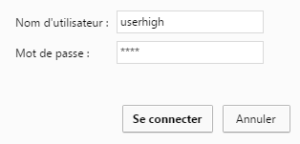
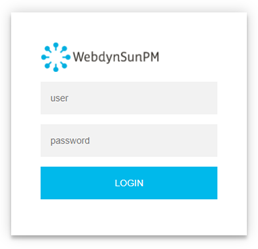 Les accès par défaut sont :
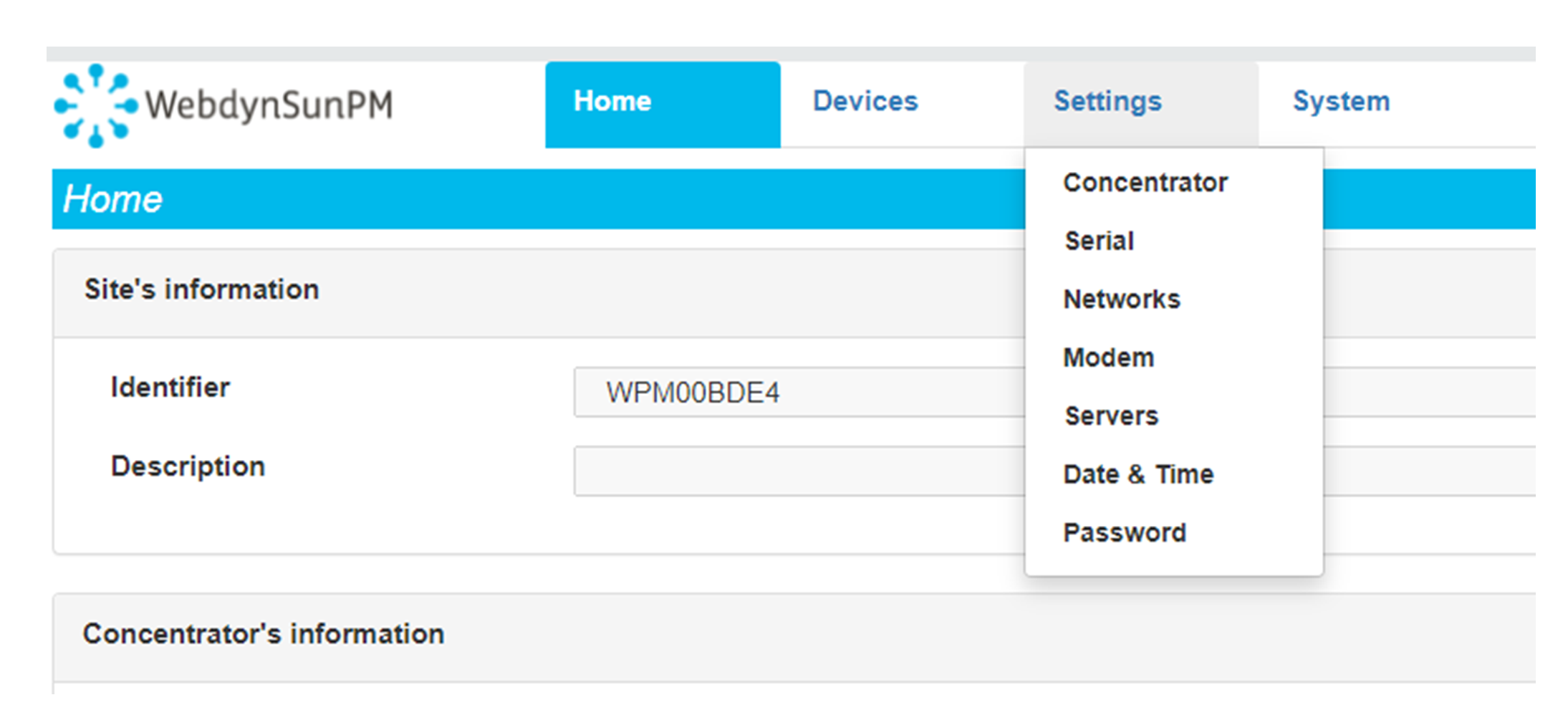 Saisir le mode de connexion « Ethernet » ou « modem » :
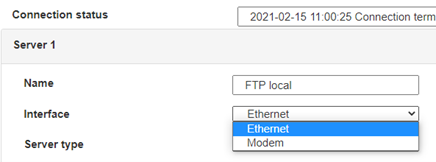 Dans le cas d’une configuration par Ethernet, veiller à ce que les paramètres IP soient compatibles avec l’accès au serveur d’après la configuration du réseau local du concentrateur. Dans le cas d’une connexion par Ethernet, la configuration doit être compatible avec la topologie du réseau local du concentrateur afin qu’il puisse accéder aux serveurs. Cette configuration se fait via la page de configuration « Networks » (voir chapitre 3.2.2.3 : « Réseaux (Networks) »).
Dans le cas d’une connexion par modem, la configuration du modem doit être correcte avant de pouvoir effectuer une connexion. Cette configuration se fait dans la page de configuration « Modem » (voir chapitre 3.2.2.4 : « Modem »).
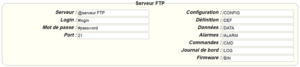
Les paramètres des serveurs à configurer au minimum sont les suivants :
Dans le cas d’une configuration par Ethernet, veiller à ce que les paramètres IP soient compatibles avec l’accès au serveur d’après la configuration du réseau local du concentrateur. Dans le cas d’une connexion par Ethernet, la configuration doit être compatible avec la topologie du réseau local du concentrateur afin qu’il puisse accéder aux serveurs. Cette configuration se fait via la page de configuration « Networks » (voir chapitre 3.2.2.3 : « Réseaux (Networks) »).
Dans le cas d’une connexion par modem, la configuration du modem doit être correcte avant de pouvoir effectuer une connexion. Cette configuration se fait dans la page de configuration « Modem » (voir chapitre 3.2.2.4 : « Modem »).
Les paramètres des serveurs à configurer au minimum sont les suivants :
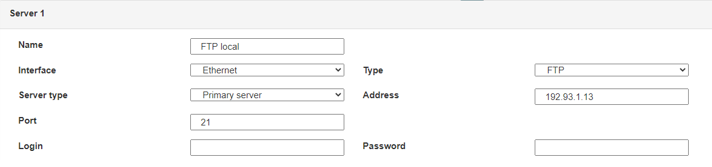 Il faut donc configurer les champs : « Interface », « Type », « Server type », « Address », « Port », « Login » et « Password ».
Les autres champs peuvent être laissés aux valeurs par défaut à condition que les répertoires aient été créés correctement auparavant. Voir chapitre 3.1.2 : « Fichiers de configuration » pour plus de détails.
Il faut donc configurer les champs : « Interface », « Type », « Server type », « Address », « Port », « Login » et « Password ».
Les autres champs peuvent être laissés aux valeurs par défaut à condition que les répertoires aient été créés correctement auparavant. Voir chapitre 3.1.2 : « Fichiers de configuration » pour plus de détails.




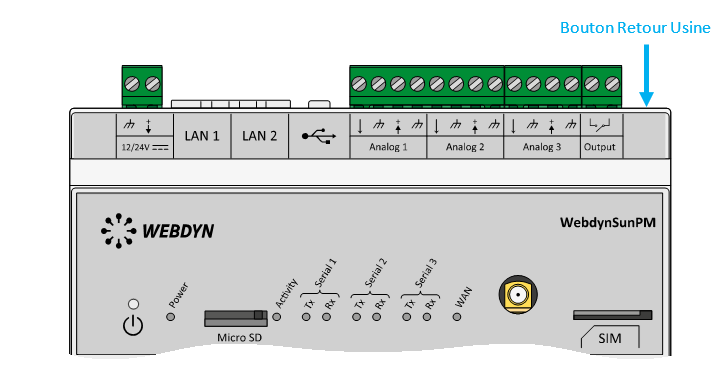 Attendre. Le concentrateur va redémarrer avec sa configuration usine.