Connectivity
-
 LTE/4G/3G/GPRS Serial Gateways: TCP Client, TCP Server, UDP Client / Server, acceptance of incoming CSD calls, up to two simultaneous tunnels.
 -
GPRS Connectivity mode: Permanence 100% of the time, Low Response (SMS, missed call), change in a digital input, analog input out of levels, serial data in RS232 / 485 ports, programming of date, time and timer.
Datalogger
-
 Datalogging of sensor data
 -
 RS232 / RS485 serial port datalogging
 -
 Datalogging of GPS positions (tracking or location of fleets)
 -
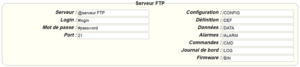
 Automatic data transmission to web platforms (HTTP / HTTPS, MQTT / MQTTS, FTP)
TCP Services
-
 Integrated WebServer and Telnet
 -
Remote access by webbrowser
-
 State of analog and digital inputs
 -
 Datalogging GCChanges in levels of digital outputs and relaysPS (fleet tracking)
 -
 Execute AT commands remotely
Security
-
Authorized telephone numbers
-
 Firewall IP
 -
SSL connections
Solutions for Dynamic IP
-
 GPRS session using SMS or missed call
 -
 DynDNS and NoIP service
 -
Private DNS
SMS Control and Alarms
-
SMS/MQTT alarm with changes in the level of digital inputs
-
SMS up to 10 remote users
-
Execute remote AT commands: Telnet, MQTT/MQTTs, SMS, HTTP
-
Change the status of digital outputs and relays
-
Alias allowed
Metering, Modbus, Sensors…
-
Modbus RTU devices
-
Control of relays, analog and digital inputs
-
Access to serial devices using 2G/3G/4G and SMS